3D Printing for High-End Collectors
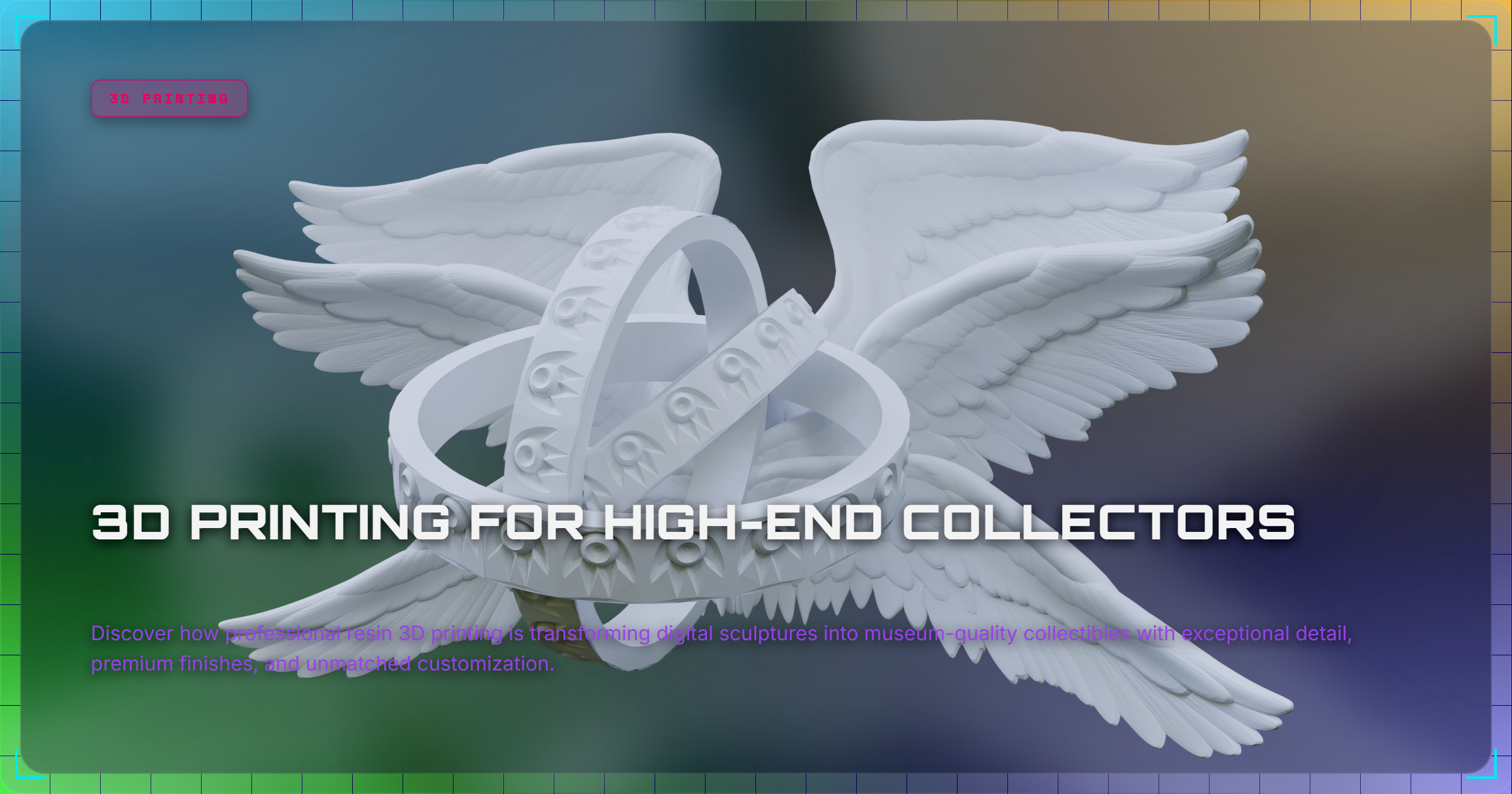
The world of collectibles has evolved dramatically over the past decade. What was once limited to mass-produced action figures and statues has transformed into a thriving market for custom, limited-edition, and fully personalized collectibles. Thanks to advances in professional 3D printing, artists and collectors can now create museum-quality pieces with incredible precision, allowing fans to own figures that simply cannot be found in retail stores.
Whether you're a collector, designer, game developer, or independent artist, modern 3D printing makes it possible to transform digital creations into physical masterpieces while maintaining stunning levels of detail.
Why High-End Collectors Choose Custom 3D Printing
Collectors today want more than standard factory-produced figures. They seek exclusivity, personalization, and craftsmanship. A custom-designed collectible becomes a unique display piece that reflects personal interests, favorite characters, original concepts, or exclusive commissions.
Unlike traditional manufacturing, 3D printing eliminates expensive production molds, making it economical to create one-of-a-kind statues, prototypes, cosplay accessories, miniatures, and premium display models.
Some of the biggest advantages include:
- Unlimited customization
- Limited edition production
- Faster prototyping
- Museum-quality detail
- Cost-effective short production runs
- Easy design revisions
- Personalized collector editions
Resin Printing: The Gold Standard
When producing premium collectibles, resin printing has become the preferred manufacturing method for professionals.
Modern SLA and MSLA resin printers produce incredibly smooth surfaces while capturing tiny details that filament printers simply cannot reproduce. Fine facial expressions, armor engravings, clothing folds, jewelry, mechanical components, and intricate textures remain crisp even on small-scale miniatures.
This level of precision allows artists to faithfully reproduce every detail from the original digital sculpture.
From Digital Sculpt to Physical Collectible
Every premium collectible begins with a professionally created 3D model.
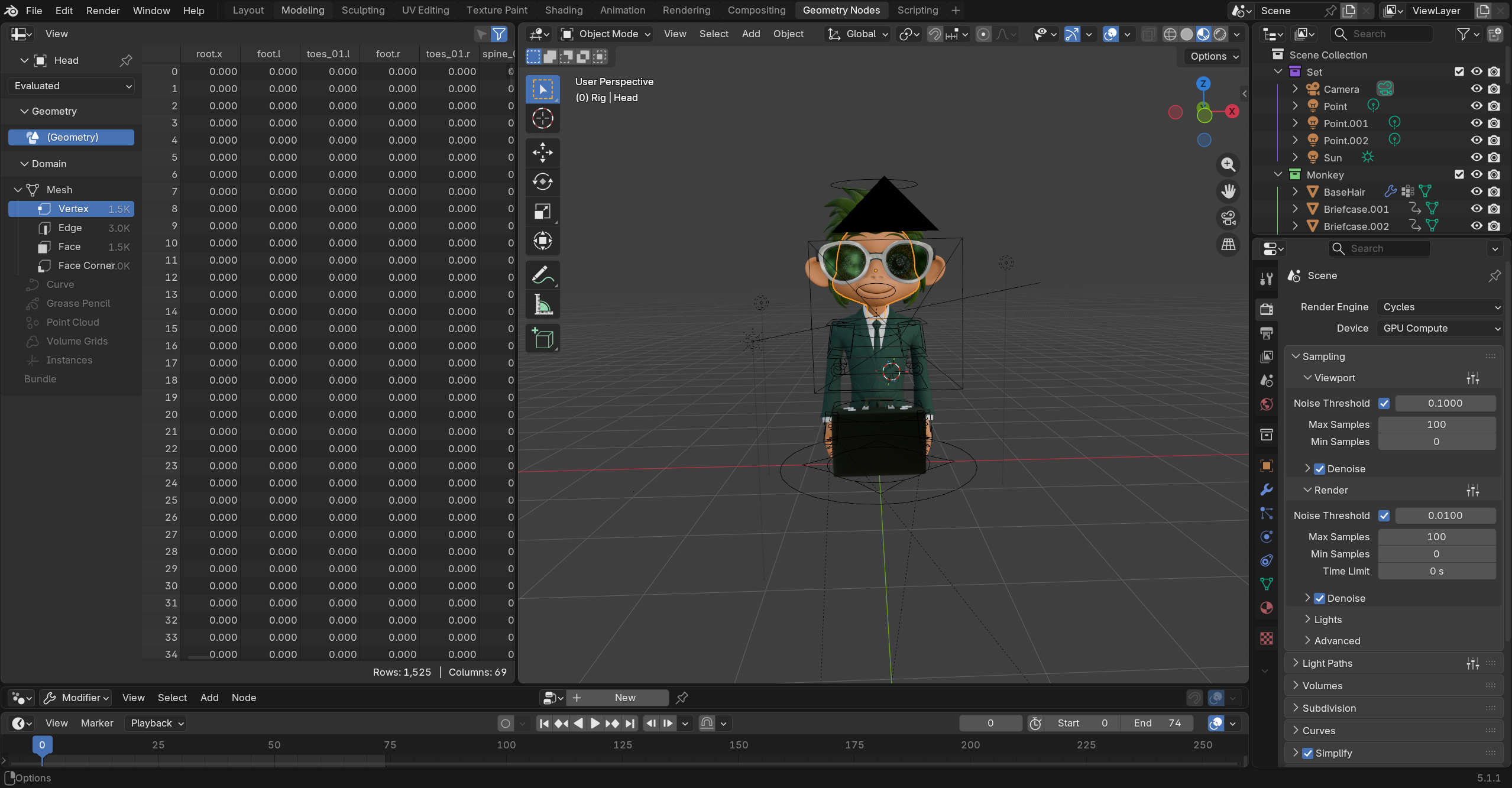
Artists sculpt characters using software such as Blender and ZBrush, refining every surface until the design is production-ready. Before printing begins, the model undergoes a detailed preparation process that includes mesh repair, wall thickness validation, hollowing, drainage hole placement, support generation, and print orientation optimization.
Once prepared, the model is sliced using professional software such as Bambu Studio, Lychee Slicer, or OrcaSlicer, ensuring optimal print quality while minimizing material usage and reducing the risk of print failures.
Achieving Exceptional Surface Quality
One of the defining characteristics of premium collectibles is their flawless finish.
Professional print preparation focuses on reducing visible layer lines, minimizing support marks, and optimizing orientation to preserve important visual details. Proper support placement ensures delicate features such as fingers, weapons, hair strands, wings, and facial expressions remain intact throughout the printing process.
The result is a print that requires minimal cleanup while preserving every artistic detail.
The Importance of Post-Processing
A successful print is only the beginning.
Professional post-processing transforms a raw print into a display-worthy collectible.
The workflow typically includes:
- Cleaning excess resin
- UV curing
- Support removal
- Surface sanding
- Gap filling
- Priming
- Painting
- Protective clear coating
- Assembly of multi-part models
Every stage contributes to creating a premium finish that rivals commercially manufactured statues.
Professional Painting and Finishing
Painting is where digital sculptures truly come alive.
Artists apply multiple layers of primer, acrylic paints, metallic finishes, washes, dry brushing, weathering effects, and protective coatings to recreate realistic materials such as metal, leather, skin, fabric, stone, wood, or carbon fiber.
Airbrushing allows for smooth gradients and realistic shading, while hand painting adds the final artistic touches that make every collectible unique.
Multi-Part Printing for Large Collectibles
Large statues often exceed the build volume of most printers.
To overcome this limitation, models are intelligently divided into multiple sections with hidden connection points, alignment keys, and assembly joints. This approach allows collectors to produce larger display pieces while maintaining excellent structural strength and print quality.
Once assembled, seams become virtually invisible after proper finishing.
Optimizing Models for Reliable Printing
Professional print preparation significantly improves print success rates.
Key optimization techniques include:
- Watertight mesh repair
- Non-manifold geometry correction
- Wall thickness validation
- Scale verification
- Support optimization
- Hollowing and drainage design
- Mesh simplification
- Orientation optimization
- Printability testing
These steps help reduce failed prints, improve structural integrity, and lower material costs.
Materials Matter
Different printing materials serve different purposes.
Standard Resin
Ideal for highly detailed display models.
ABS-Like Resin
Provides greater durability for functional parts.
- Tough Resin
- Offers increased impact resistance.
- Flexible Resin
Suitable for soft accessories and wearable components.
- Engineering Resins
Designed for mechanical prototypes and industrial applications.
Selecting the right material ensures each collectible achieves the desired balance between appearance, durability, and performance.
Limited Edition Production
One of the greatest advantages of modern 3D printing is the ability to produce limited collector editions without investing in expensive manufacturing molds.
Artists can release exclusive numbered editions, offer personalized variations, or create custom commissions without large production costs. This flexibility has opened entirely new business opportunities for independent creators, game studios, and digital artists.
Applications Beyond Collectibles
Professional 3D printing extends far beyond statues.
Today's technology is used for:
- Gaming miniatures
- Character busts
- Movie props
- Cosplay accessories
- Architectural models
- Product prototypes
- Medical models
- Educational displays
- Jewelry masters
- Industrial prototypes
- Mechanical components
- Museum replicas
The same technology powering premium collectibles also supports industries around the world.
The Future of Digital Collectibles
As 3D scanning, AI-assisted modeling, and digital sculpting continue to evolve, custom collectibles will become even more personalized.
Collectors will increasingly own limited-edition pieces created specifically for them, while creators gain powerful new tools for turning imagination into physical reality.
Professional 3D printing is no longer just a manufacturing process—it's an artistic medium that bridges digital creativity with real-world craftsmanship.
Final Thoughts
For collectors who value originality, exceptional detail, and premium craftsmanship, professional 3D printing has become the ultimate solution. From highly detailed resin miniatures to large-scale display statues, modern manufacturing technologies allow artists to produce collectibles that combine artistic expression with engineering precision.
At Lizzdo, we specialize in preparing production-ready 3D models, optimizing files for professional printing, and transforming digital creations into premium physical collectibles built to the highest standards.